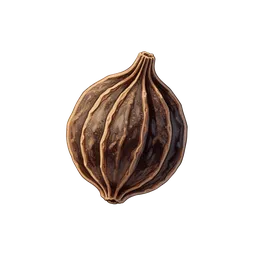
Fragrance Note
Anise
Used in 54+ fragrances on FragranVerse
What it smells like
Anise smells like cold liquorice root snapped in half: bright, penetrating, almost mentholated at first contact, then settling into a dense, sweet warmth that coats the back of the throat. It is sweeter and rounder than fennel, less green and herbal. The plant (Pimpinella anisum, Apiaceae) is a small annual native to the eastern Mediterranean. The essential oil is steam-distilled from the dried fruits, with trans-anethole comprising 80. 94% of the oil.
How it's used in perfumery
Anise oil operates as a top-to-heart modifier, injecting a bright, sharp sweetness into compositions. Its primary molecule, trans-anethole, lifts heavier base materials. In fougère accords, it sharpens the lavender-coumarin axis; in amber blends, it provides a luminous counterpoint to dense resins. It blends naturally with other Apiaceae spices and absinthe-adjacent aromatics, functioning as a sweetening agent at 0.5. 2% of a concentrate.
Fun fact
Trans-anethole, the molecule responsible for anise's scent, is also responsible for the louche effect. The milky opalescence that appears when water is added to pastis, ouzo, or arak.
Perfumes with Anise(54)
Indian
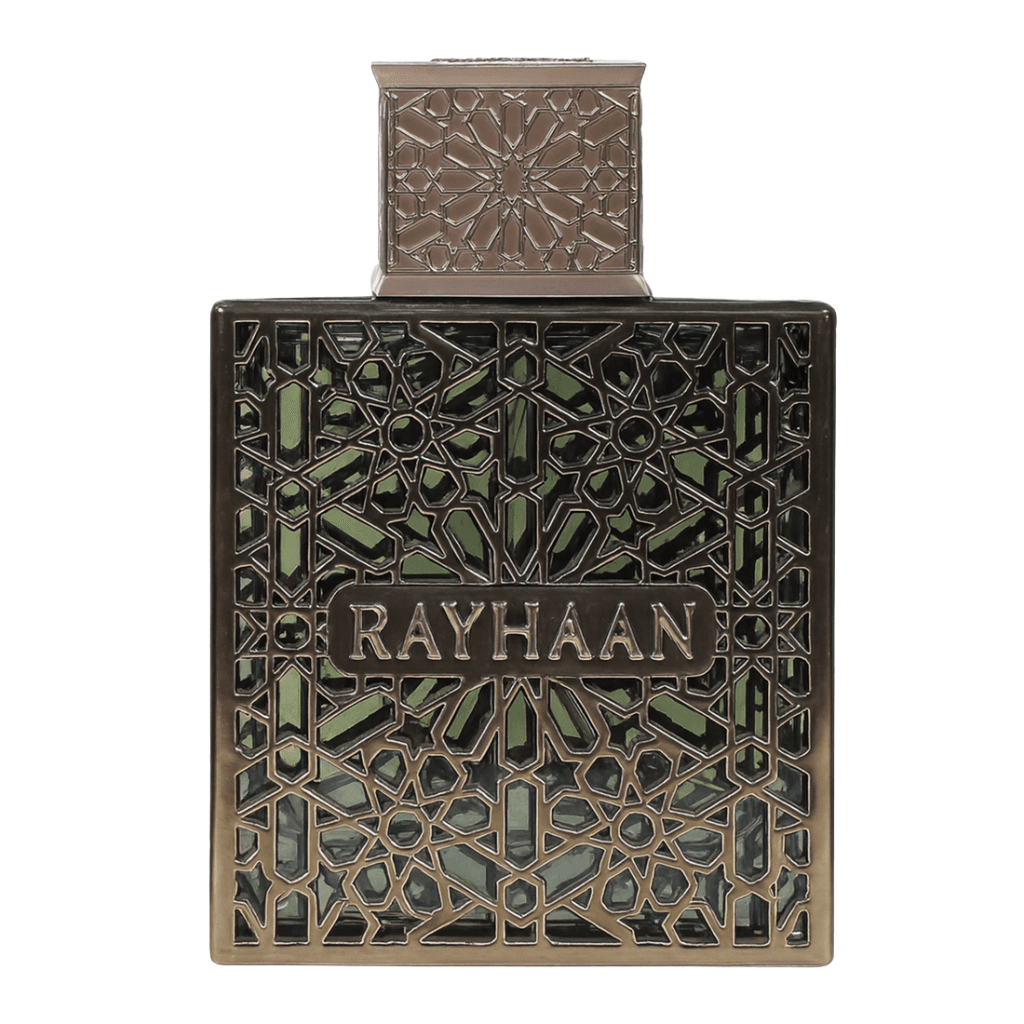
(6)Middle East
(10)
Designer
(26)
Niche
(12)