Fragrance Note
Civet
Used in 38+ fragrances on FragranVerse
What it smells like
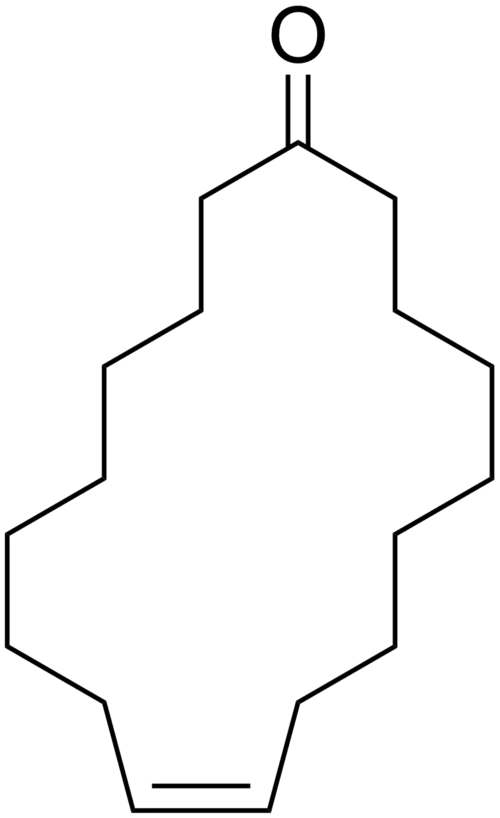
Civet refers to the perineal gland secretion of the African civet, a solitary, nocturnal viverrid native to sub-Saharan Africa. The raw paste is dark brown, waxy, and overwhelmingly fecal. Its principal odorant is civetone. A 17-membered macrocyclic ketone. The secretion also contains skatole (~1%), indole, p-cresol, and an array of fatty acids. The paradox of civet is dilution-dependent. Above 0.1%, the skatole and indole dominate. Sharp, fecal, unmistakably animal. Below 0.01%, those components fall below threshold, and civetone's macrocyclic musk character emerges: warm, honeyed, powdery, with an almost jasmine-adjacent floral lift at the edges. This concentration-dependent identity shift is shared by few other perfumery materials.
How it's used in perfumery
Civet was historically one of the four great animalic fixatives, alongside musk, castoreum, and ambergris. It serves two functions in a composition: as a fixative, extending the longevity of the entire fragrance; as a character note, providing animalic warmth and the impression that the scent emanates from warm skin rather than from paper or fabric. At micro-doses, civet rounds and deepens a base without being identifiable as itself. It appears in chypre, amber, and classic floral compositions. Anywhere sensuality and tenacity are required.
Fun fact
When Ružička proposed in 1926 that civetone contained a 17-membered carbon ring, the claim was met with skepticism. Prevailing organic chemistry theory held that rings larger than eight atoms were too strained to be stable. His synthesis of civetone in 1927 proved otherwise and forced a revision of ring-strain theory.
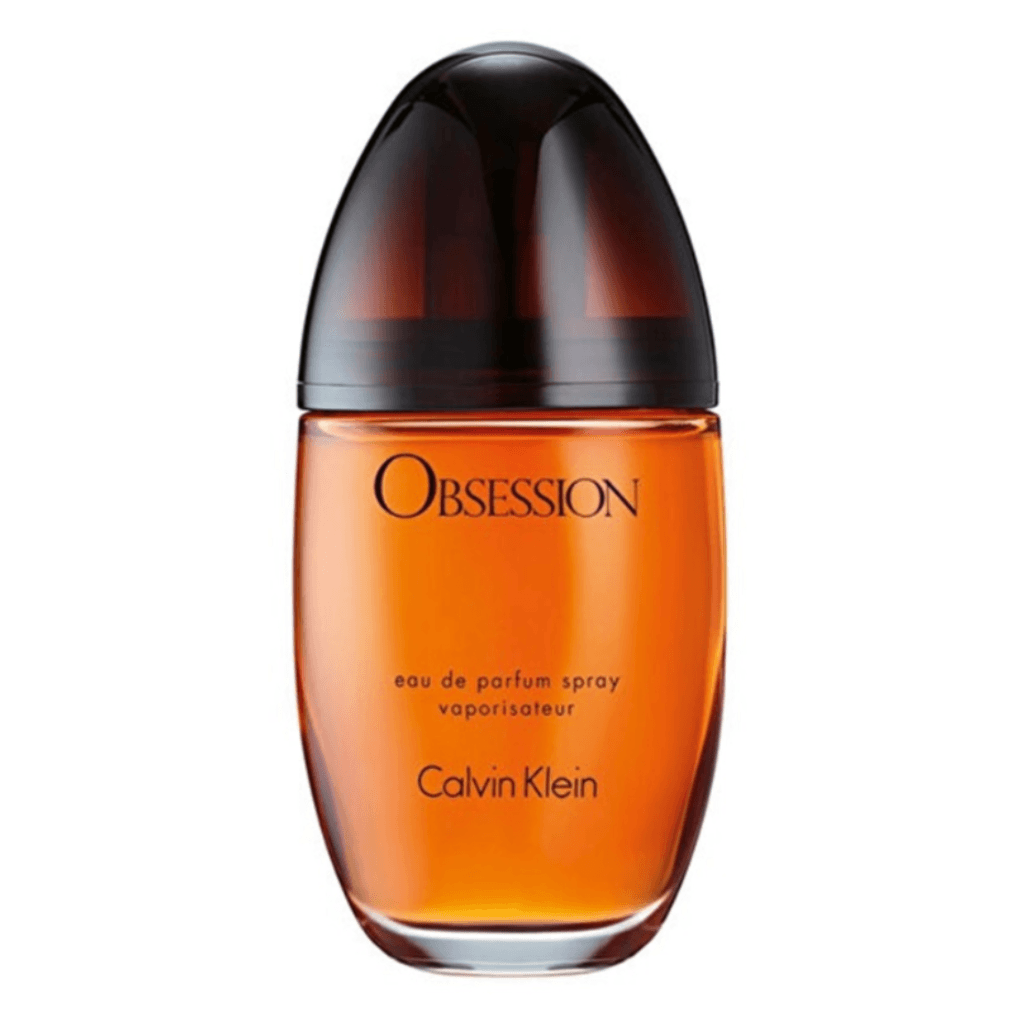
Perfumes with Civet(36 of 38)
Middle East
(3)Designer
(18)
Niche
(13)