Fragrance Note
Clementine
Used in 26+ fragrances on FragranVerse
What it smells like
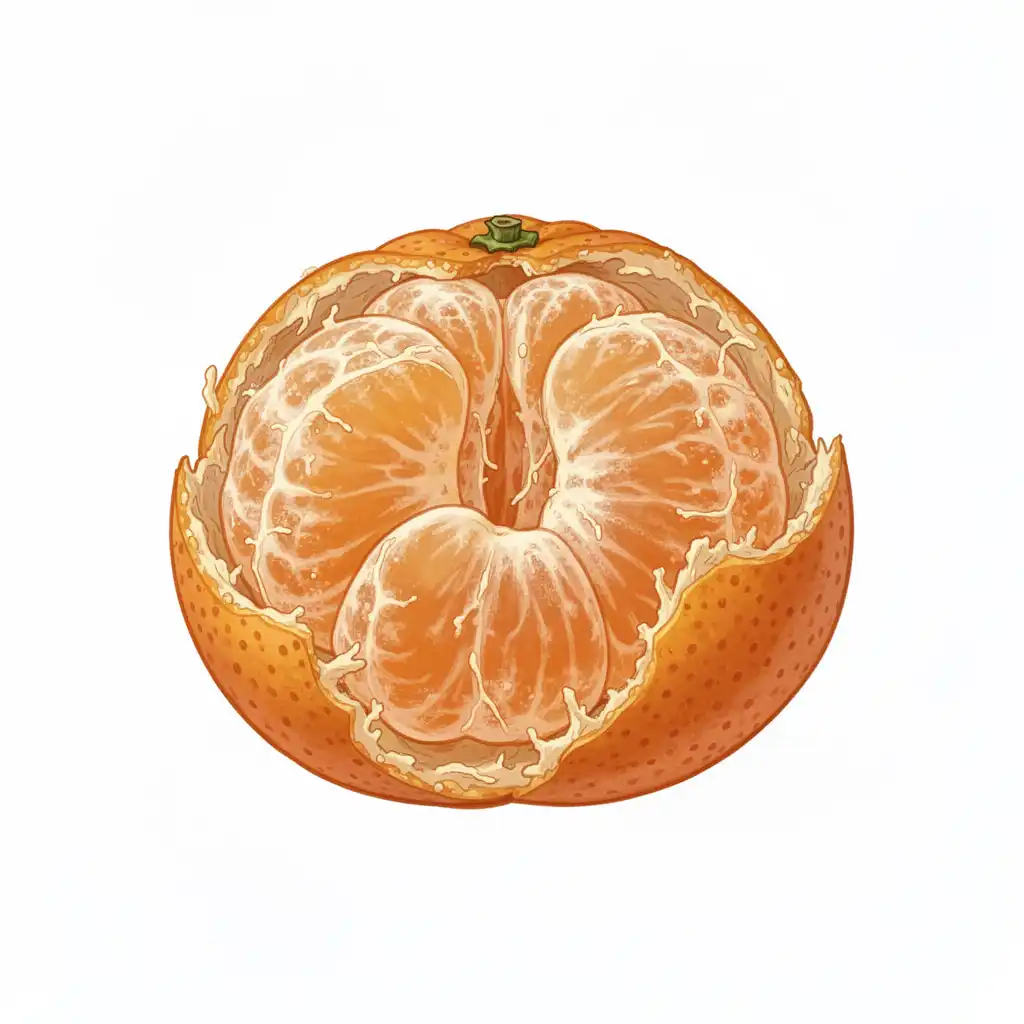
Clementine peel oil smells like peeling the fruit itself: immediate sugar-sweet citrus, rounder and warmer than lemon or grapefruit, without the green-bitter edge of bergamot or the grape-candy tang that methyl N-methylanthranilate imparts to mandarin. The dominant impression is of ripe, sun-warmed rind -- more aldehydic than acidic. GC-olfactometry studies (Buettner & Schieberle, 2001) identified linalool, alpha-sinensal, (E,E)-deca-2,4-dienal, and wine lactone as the most important odorants, despite limonene comprising 88-95% of the oil by mass. Aldehydes contribute roughly 80% of the perceived aroma. The tree is a hybrid between willowleaf mandarin (C. X deliciosa) and sweet orange (C. X sinensis), first identified around 1902 in Misserghin, Algeria.
How it's used in perfumery
Clementine oil is a top-note sweetener and modifier, not a structural pillar. It softens citrus openings that would otherwise read sharp or acidic, and it injects a warm, candied brightness into gourmand and spiced compositions. The oil dissipates quickly -- within one to two hours on skin -- so it is functionally a flash-note rather than a lasting signature. It is most useful in hesperidic colognes, in gourmand ambers, and in festive or holiday compositions where the cinnamon-orange-clove cluster is central.
Fun fact
Brother Marie-Clement Rodier (1839-1904) did not breed the clementine deliberately; he grafted a branch from an unidentified seedling growing wild in the orphanage orchard at Misserghin, Algeria.
Perfumes with Clementine(26)
Indian
(1)Designer
(18)