Fragrance Note
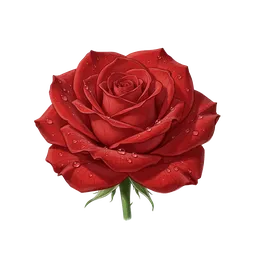
Rose
Used in 2839+ fragrances on FragranVerse
What it smells like
Rose is the most documented material in perfumery. Two species dominate: Rosa damascena (Damask rose), cultivated in Bulgaria's Rose Valley and Turkey's Isparta plateau, is the reference material. Rich, honeyed, with a warm spicy undercurrent. Rosa centifolia (May rose), grown in Grasse and Morocco, is softer, rounder, with a phenylethyl alcohol content that can exceed 60% in the absolute. The chemistry matters: rose otto (steam-distilled) loses most phenylethyl alcohol to distillation water, while rose absolute (solvent-extracted) retains it. Beta-damascenone, present at parts-per-billion levels, is the molecule that makes rose smell specifically like rose.
How it's used in perfumery
Rose is the heart note. The structural centre of Western perfumery. Alongside jasmine, it defines floral accords. There is no major fragrance family that excludes it entirely: soliflores and bouquets depend on it outright; chypres use it to soften mossy bases; ambers route it through warmth. Rosa damascena absolute anchors rich constructions, while Rosa centifolia absolute serves cleaner readings. Synthetic reconstructions rely on citronellol, geraniol, phenylethyl alcohol, and rose oxide to approximate the natural material.
Fun fact
Beta-damascenone, present in rose oil at parts-per-billion concentrations, has an odor threshold 20,000 times lower than l-citronellol. The most abundant odorant in the oil.
Perfumes with Rose(80 of 2839)
Indian
(6)Middle East
(45)
Designer
(14)
Niche
(15)