Fragrance Note
Vetiver
Used in 1449+ fragrances on FragranVerse
What it smells like
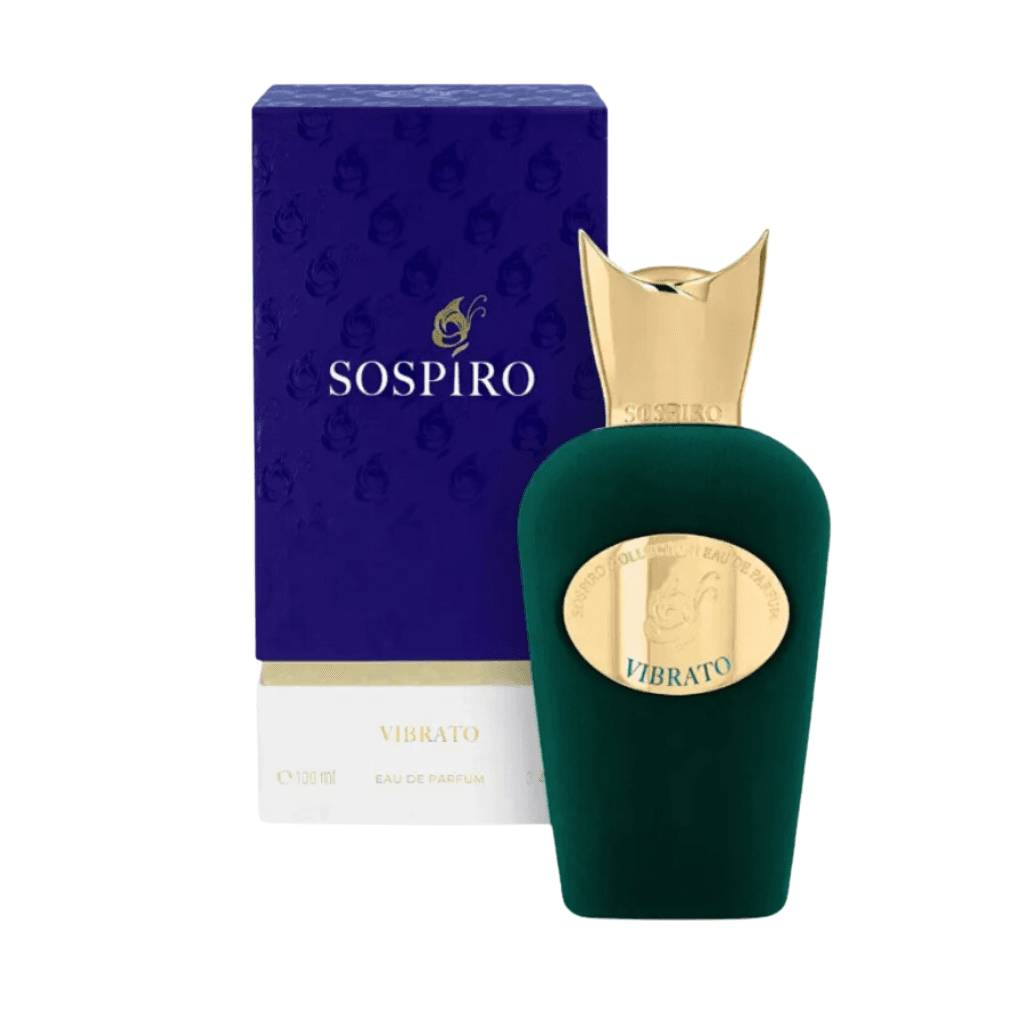
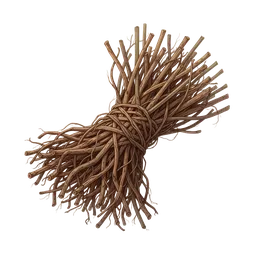
Vetiver (Chrysopogon zizanioides, formerly Vetiveria zizanioides, Poaceae) is the root system of a tropical grass. Not the blade, not the stem, the root. The plant is grown principally for its dense, fibrous root mass, which is steam-distilled to yield the essential oil (CAS 8016-96-4). Major commercial origins are Haiti (the world's largest producer), Réunion (Bourbon, premium-grade), Indonesia (Java), India and Brazil. Chemistry: Vetiver oil is a complex sesquiterpene matrix dominated by khusimol (CAS 16223-63-5), isovalencenol, vetivone (α- and β-vetivone, CAS 27348-22-8 / 18444-79-6) and zizaenes. The vetivone family carries the characteristic earthy-woody-grapefruit angle; the khusimol family carries the dry-rooty depth. No two origins are interchangeable: Haitian is sharper and grapefruit-forward, Bourbon more rounded and balsamic, Java drier and smokier.
How it's used in perfumery
Vetiver is the perfumer's structural base note. It fixes volatile materials, extends longevity, and provides an earthy-woody foundation that anchors compositions across every major fragrance family. In fougères, it supplies the rooty depth beneath lavender and coumarin. In chypres, it reinforces the mossy-earthy axis alongside patchouli. In colognes and fresh compositions, Haitian vetiver provides a transparent green base that bridges citrus top notes and woody drydown. It is also one of the few natural materials that can carry an entire composition as a soliflore. Vetiver-centered fragrances constitute their own recognized sub-category.
Fun fact
In 2021, Ouyang et al. At the Max Planck Institute synthesised (+)-2-epi-ziza-6(13)en-3-one and confirmed it as the key smelling principle of vetiver oil, with an odor threshold of 29 picograms per litre of air.
Perfumes with Vetiver(80 of 1449)
Indian
(12)
Middle East
(39)
Designer
(13)Niche
(16)