Fragrance Note
Ambroxan
Used in 270+ fragrances on FragranVerse
What it smells like
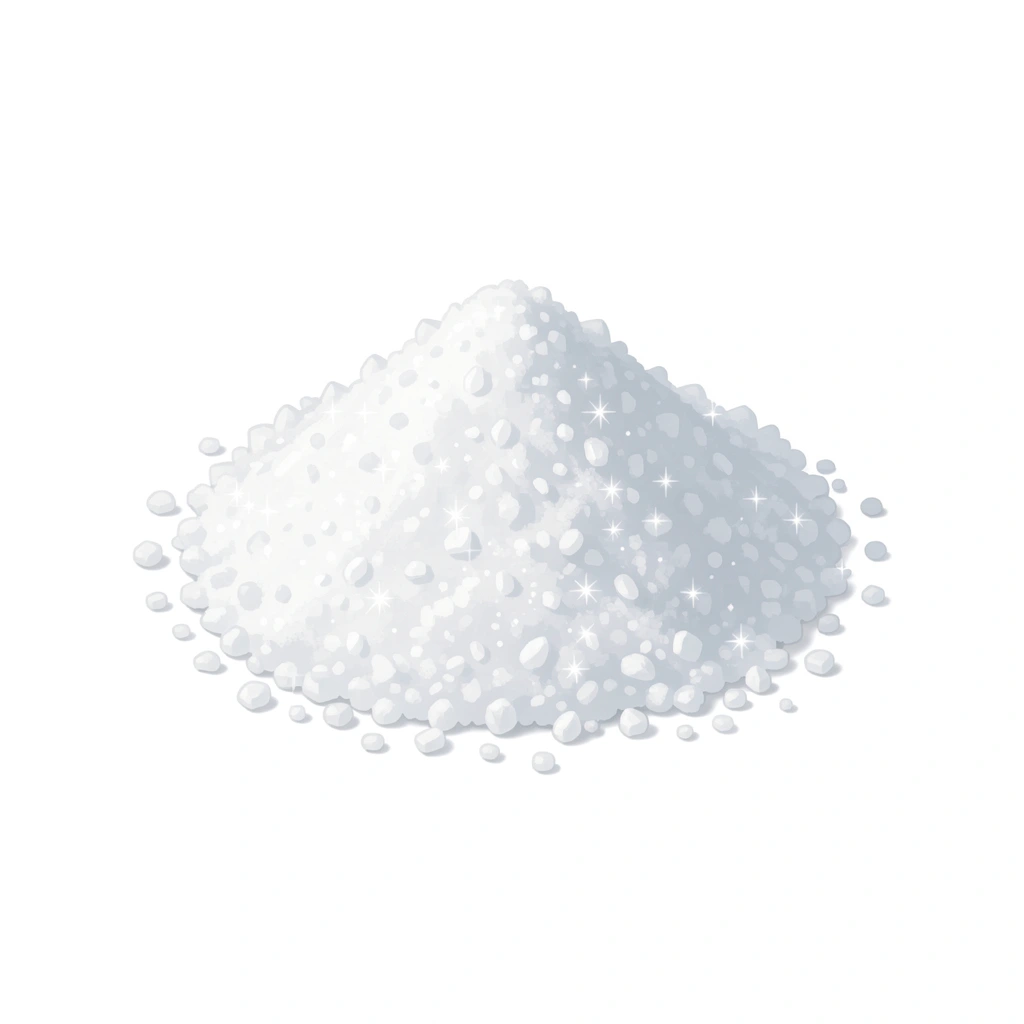
Ambroxan is the synthetic isolate of ambergris. A tricyclic ether that replicates the dry, mineral, woody-amber quality of aged ambergris. Molecular formula: C₁₆H₂₈O; molecular weight: 236.39 g/mol. It is the synthetic counterpart of (−)-ambroxide, the principal odorous autoxidation product of ambrein, the triterpenoid alcohol constituting 25. 45% of raw ambergris by mass. The first total synthesis from sclareol. A diterpene alcohol extracted from clary sage (Salvia sclarea) distillation residues. Was achieved in the early 1950s. Subsequent chromatographic and GC-MS work confirmed that (−)-ambroxide is the compound principally responsible for the characteristic odour of high-grade aged ambergris, rendering whale-derived material commercially obsolete. What makes ambroxan singular is not its smell per se but its behavior on skin. Industry literature reports a detection threshold of approximately 0.3 parts per billion, among the lowest in perfumery. At high concentrations, it reads almost aggressive: a dry, metallic, overexposed brightness. At trace levels, it creates a barely perceptible warm-skin effect that makes surrounding materials read as more clean. The molecule does not sit on the skin. It hovers.
How it's used in perfumery
Ambroxan is a radiance engine. It does not contribute a conventional note. It generates an effect: projection, luminosity, a sense of the fragrance hovering above the skin rather than sitting on it. Functionally, it is a fixative, a diffusion amplifier, and a base-note backbone, often deployed at concentrations as low as 0.1. 1% of the concentrate. Industry literature reports a detection threshold of approximately 0.3 ppb. Among the lowest in perfumery. In fresh compositions, it contributes warmth without mass. In woody compositions, it extends the cedar-amber axis indefinitely. In ambers, it introduces a mineral dimension beneath balsamic sweetness. The enantiomerically pure (−)-form is drier, more radiant, and more projecting than the racemic dl-ambroxide, which reads rounder, muskier, and closer to skin.
Fun fact
A 2025 study published in Communications Biology identified OR7A17 as the specific human scent receptor that detects (−)-ambroxide. Non-functional alleles of OR7A17 are particularly prevalent in East Asian populations, meaning carriers can still detect the molecule but perceive it as significantly less pleasant.
Perfumes with Ambroxan(80 of 270)
Indian
(4)Middle East
(22)
Designer
(24)Niche
(30)