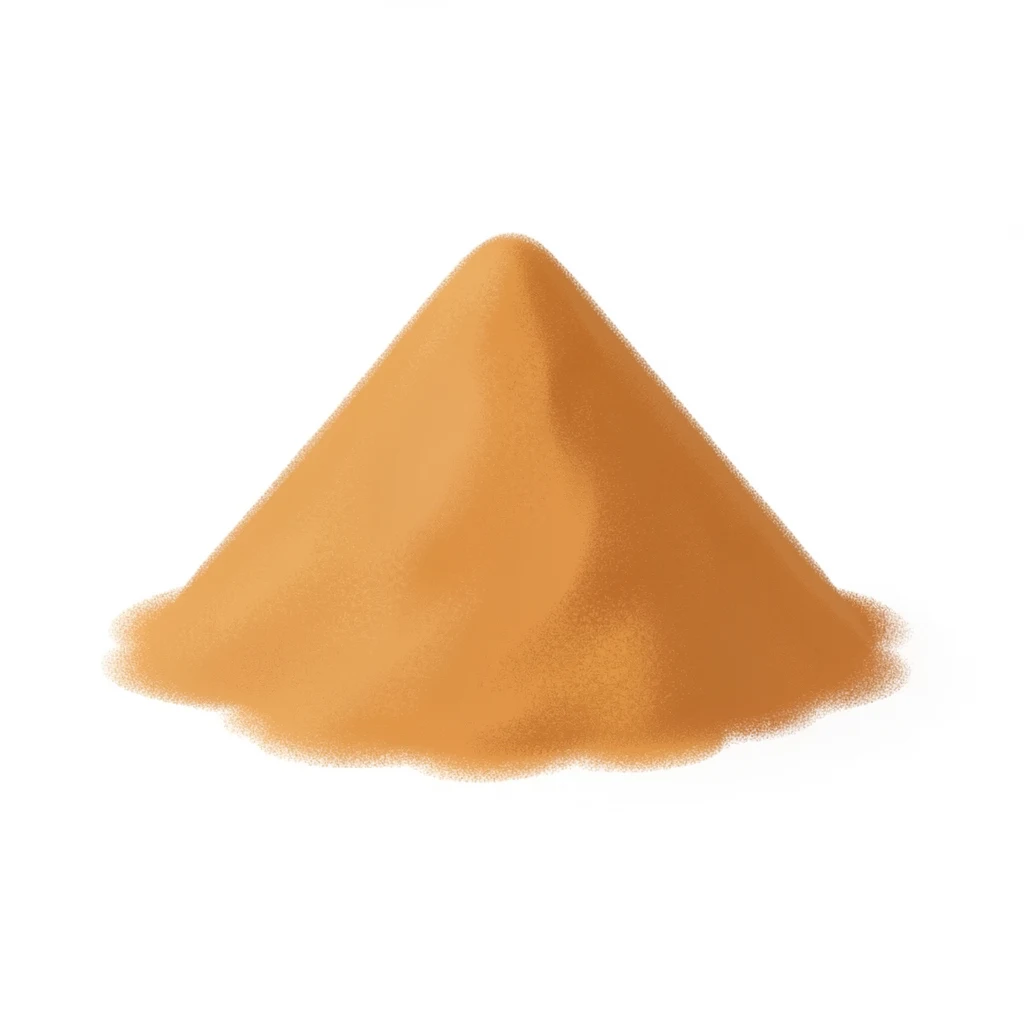
Fragrance Note
Cashmeran
Used in 180+ fragrances on FragranVerse
What it smells like
Cashmeran (DPMI, 6,7-dihydro-1,1,2,3,3-pentamethyl-4(5H)-indanone, CAS 33704-61-9) is a synthetic indanone musk. John B. Hall synthesized it while investigating pentamethylindane structures at a fragrance laboratory in the late 1960s. The molecule appeared as an unintended by-product during gas chromatographic analysis of another compound. The smell sits at an unusual intersection: musky yet woody, warm yet clean. Full-strength, it has a velvety, faintly fruity-spicy quality. Not animalic like civet-derived musks, not powdery like Galaxolide.
How it's used in perfumery
Cashmeran functions as a base-note fixative and volume builder. It extends the longevity of heart notes without altering their character. An scent amplifier rather than a distinct accent. In amber and amber accords, it replaces or supplements natural ambergris warmth. In woody-musk compositions, it provides the cashmere texture that gives skin-scent fragrances their tactile quality. Structurally, it bridges musk softness with woody architecture. It blends with Iso E Super, Ambroxan, sandalwood, and vetiver.
Fun fact
Cashmeran was discovered by accident. John B. Hall detected it as an unintended by-product on a gas chromatograph while working on an unrelated pentamethylindane compound in the late 1960s. Hall went on to invent Iso E Super as well. Making him responsible for two of the most structurally important synthetic molecules in contemporary use.
Perfumes with Cashmeran(80 of 180)
Indian
(1)Middle East
(20)
Designer
(20)
Niche
(39)