Fragrance Note
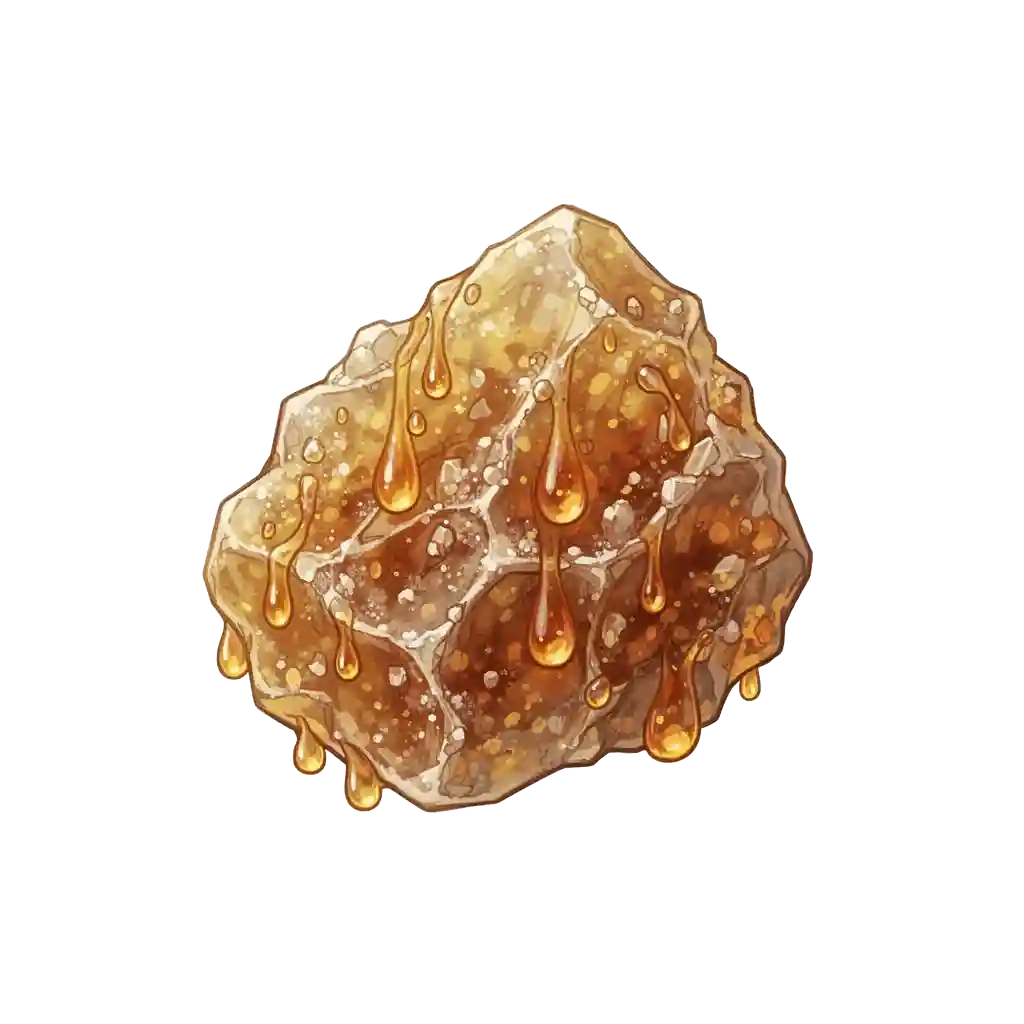
Benzoin
Used in 429+ fragrances on FragranVerse
What it smells like
Two trees, two resins, one name. Siam benzoin (Styrax tonkinensis, CAS 9000-72-0). Tapped in Laos, Vietnam, Cambodia. Is the purer grade: 65. 75% coniferyl benzoate, with p-coumaryl benzoate (10. 15%), free benzoic acid (~12%), siaresinolic acid (~6%), and roughly 1% vanillin. Transparent sweetness, an almond-skin cleanness. Sumatra benzoin (Styrax benzoin and S. Paralleloneurus, CAS 9000-05-9). From the volcanic andosol highlands around Lake Toba in North Sumatra. Is rougher, darker. Cinnamic acid esters dominate: p-coumaryl cinnamate and coniferyl cinnamate are the two major constituents, alongside benzyl cinnamate, free cinnamic acid, sumaresinolic acid, and less vanillin. The two materials smell related but not identical.
How it's used in perfumery
Base-note fixative and balsamic sweetener. Benzoin anchors volatile top and heart notes by slowing their evaporation rate, while layering warm, resinous sweetness into the dry-down. It is a structural pillar of the classical amber accord. The triad of labdanum, benzoin, and vanillin that underpins the amber (ambrée) family. Benzoin tincture (resin dissolved at 50. 70% in ethanol) remains one of the oldest fixative preparations still in active use. The resinoid, obtained by solvent extraction, is the modern standard; supercritical CO₂ extraction produces a cleaner variant with less residual solvent. Functionally, benzoin smooths abrupt transitions between fragrance phases, softens sharp aldehydic or citrus openings, and adds powdery volume to floral hearts without introducing animalic weight. It is a blender and volume builder in chypre, fougère, and gourmand compositions alike.
Fun fact
Nostradamus. Physician and apothecary before he became a prophet. Published the first known description of dry-distilling gum benzoin in his Traité des fardements et confitures (first edition 1555, Lyon). The acidic crystals that sublimed from the heated resin were later characterised by Alexius Pedemontanus (1560) and named by Blaise de Vigenère (1596). That compound. Benzoic acid. Is now manufactured synthetically at several hundred thousand tonnes per year worldwide and used as food preservative E210. A molecule first observed rising from perfume resin in a Renaissance apothecary now sits in most commercial soft drinks.
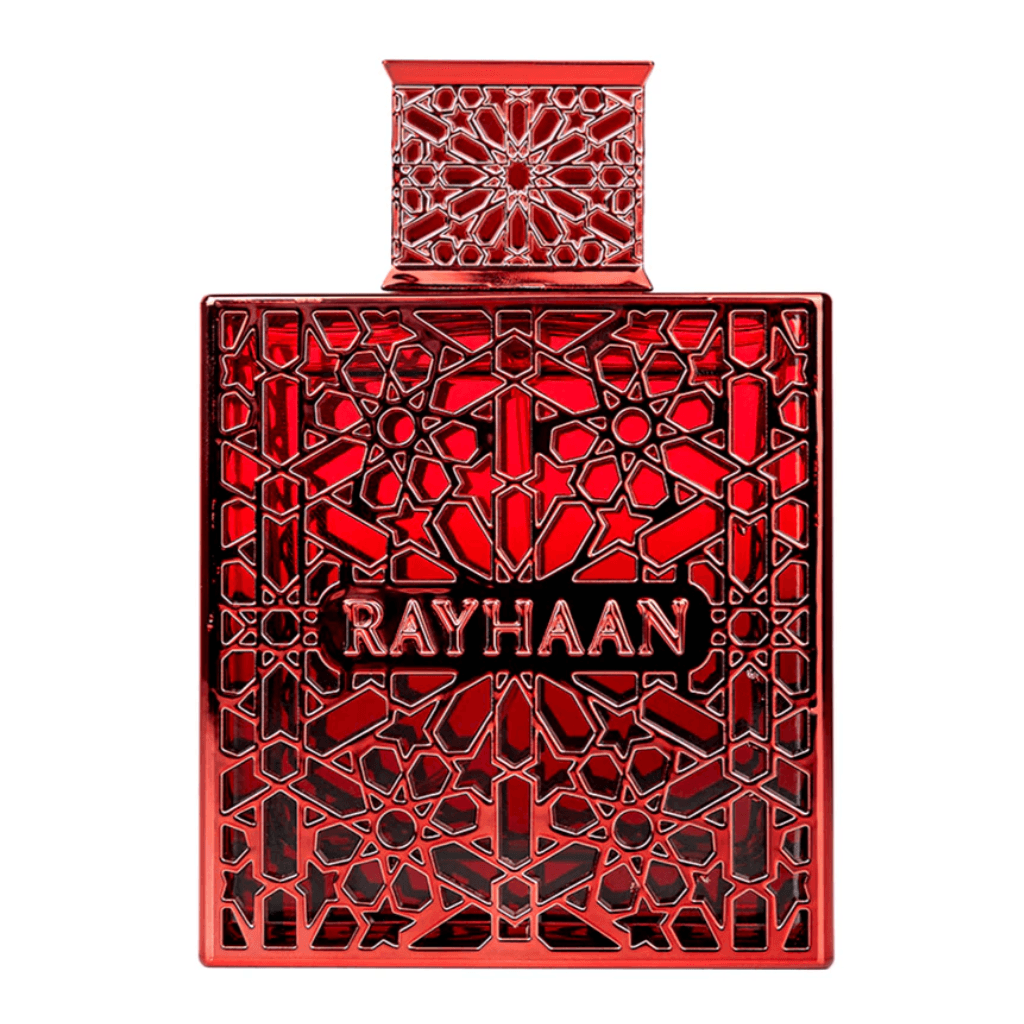
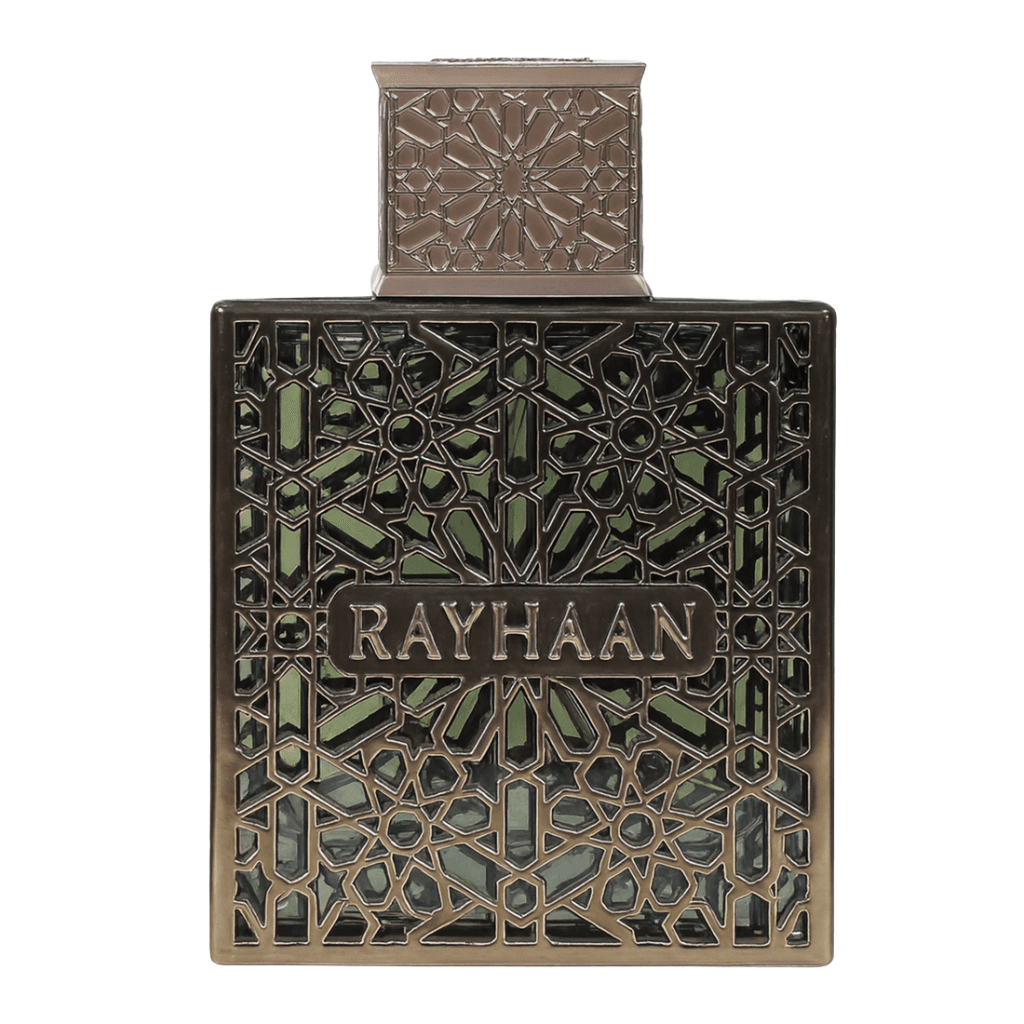
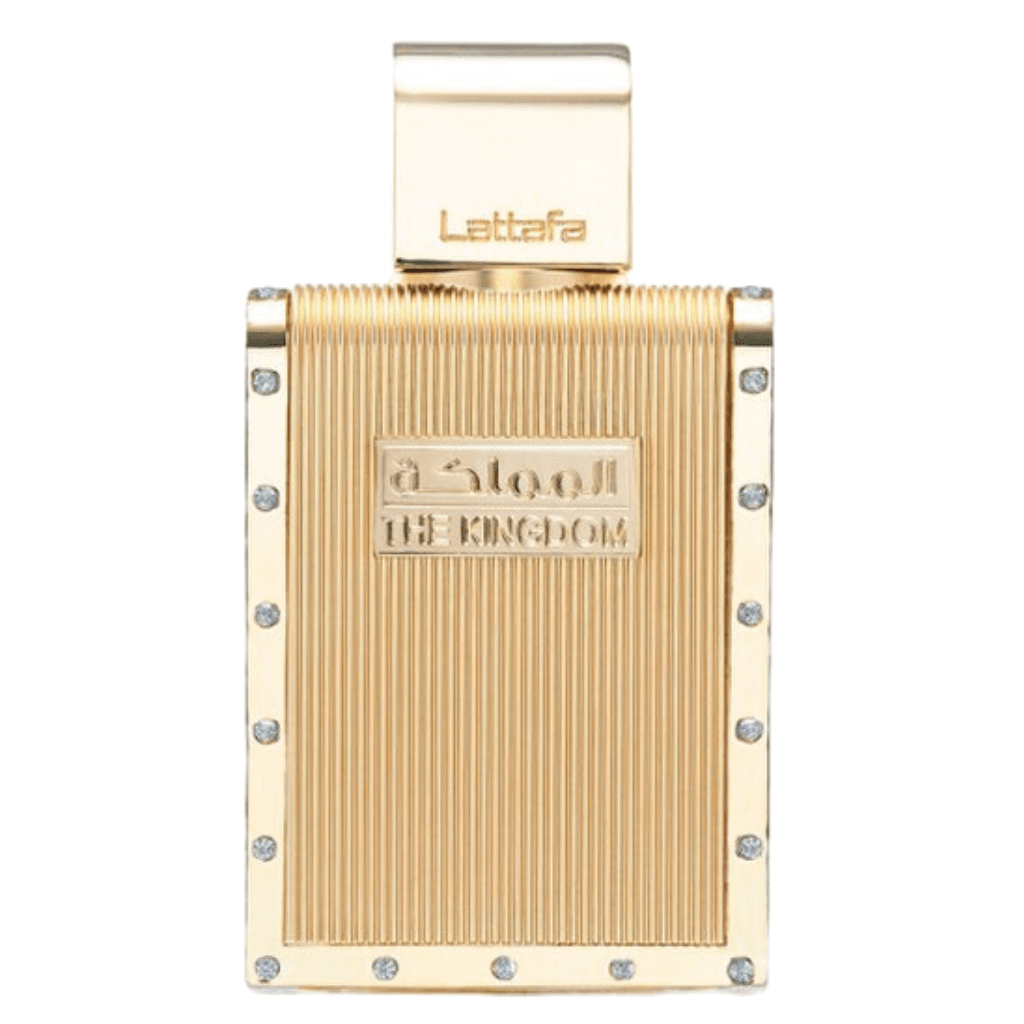
Perfumes with Benzoin(80 of 429)
Indian
(4)Middle East
(18)
Designer
(26)
Niche
(32)