Fragrance Note
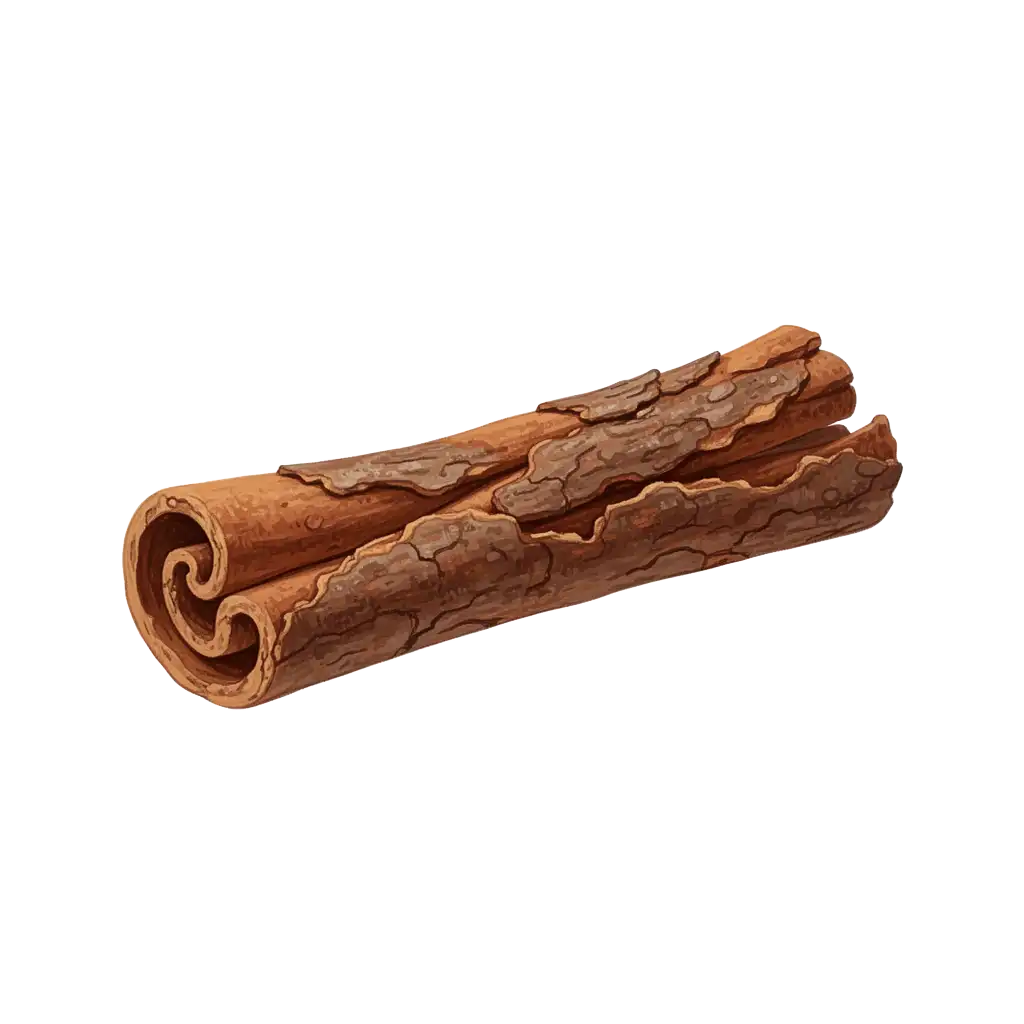
Cinnamon
Used in 602+ fragrances on FragranVerse
What it smells like
Cinnamon cassia carries a warm, sweet spice profile with a clove-like undertow and fleeting citrus notes. Two distinct materials exist: Ceylon cinnamon (Cinnamomum verum) produces a bark oil with 65-80% cinnamaldehyde, layered with eugenol (2-5%), linalool, and fruity esters. Cassia (C. Cassia, C. Burmannii, C. Loureiroi) pushes cinnamaldehyde to 85-98%, resulting in a sharper, flatter character. Fine perfumery typically uses Ceylon, while industrial fragrance uses cassia or synthetic cinnamaldehyde. The critical distinction between bark oil and leaf oil is significant: leaf oil is eugenol-dominant (70-95%) and smells like clove, not cinnamon.
How it's used in perfumery
Cinnamon operates as a heart-note accelerant, amplifying warmth in amber and gourmand accords without requiring high dosage. Cinnamaldehyde is the molecule responsible, available both naturally and synthetically. IFRA restricts cinnamaldehyde to 0.05% in fine fragrance, forcing perfumers to dose at sub-threshold levels where it creates the illusion of sweetness without sugar. A trick used in spicy-amber frameworks alongside benzoin, labdanum, and vanilla. Ceylon bark oil supplies the layered complexity; synthetic cinnamaldehyde provides consistency and punch.
Fun fact
Cinnamaldehyde was first isolated from bark oil in 1834 by Dumas and Péligot, then synthesized in a laboratory by Luigi Chiozza in 1854. Making it one of the earliest aroma chemicals to be both identified and reproduced synthetically.
Perfumes with Cinnamon(80 of 602)
Indian
(7)Middle East
(24)
Designer
(22)Niche
(27)