Fragrance Note
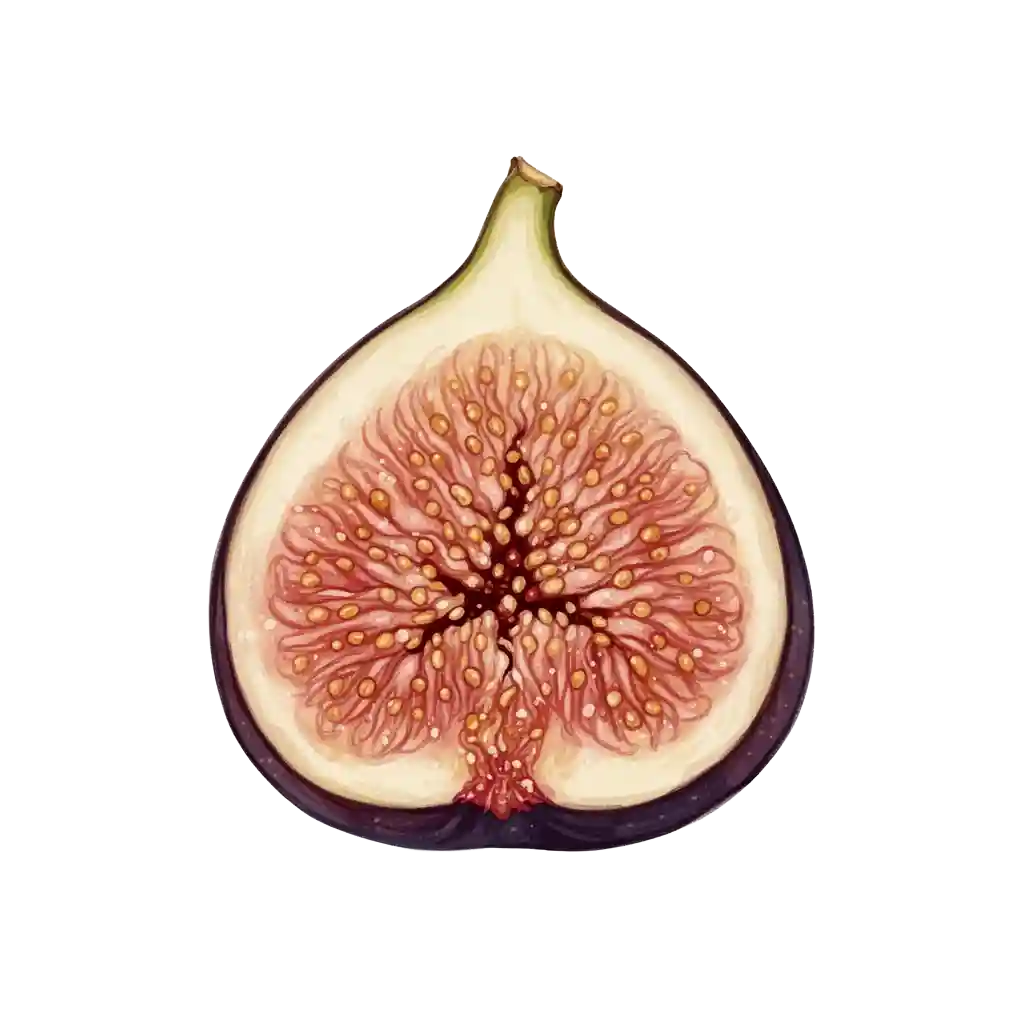
Fig
Used in 95+ fragrances on FragranVerse
What it smells like
Fig in perfumery is a constructed note. There is no commercial fig essential oil. Fig leaf absolute (CAS 68916-52-9) was prohibited by IFRA in 2006 (Standard 142, Amendment 40) due to its psoralen content. Bergapten and other linear furanocoumarins that cause severe phototoxic dermatitis on UV exposure. Every fig note in contemporary use is a synthetic accord. The reconstruction anchors on two molecules. Stemone (CAS 22457-23-4), a C₈H₁₇NO oxime, delivers the waxy, vegetal, sap-like green of the fig leaf. The scent of white latex that beads when a stem is broken. It was introduced in 1967 and is used at 0.1. 1% in finished concentrates. Gamma-octalactone (CAS 104-50-7), a C₈H₁₄O₂ lactone, provides the sweet, creamy, coconut-adjacent quality of ripe fig flesh. The two together at roughly a 1:3 ratio produce a convincing fig impression. A full fig accord typically adds supporting materials: coumarin for sweet hay-like warmth, cis-3-hexenol (CAS 928-96-1) for crushed-leaf freshness, hedione (CAS 24851-98-7) for transparent radiance, and various green-leaf aldehydes. The goal is to reconstruct the complete sensory picture. Leaf, sap, fruit, bark. From synthetic parts. No single molecule smells like fig; the note exists only as architecture.
How it's used in perfumery
Fig functions as a heart note in green-gourmand, Mediterranean, and fruity-green compositions. The note is always a synthetic accord, built primarily on stemone (CAS 22457-23-4, green-leafy-sap) and gamma-octalactone (CAS 104-50-7, creamy-coconut fruit). Stemone is unrestricted by IFRA and effective at 0.1. 1% in concentrate. The fig accord bridges green and sweet: it makes greens warmer and sweets greener. Supporting construction materials include coumarin (warm hay-like sweetness), cis-3-hexenol (crushed-leaf freshness), hedione (transparent radiance), and various green-leaf aldehydes. Fig notes occupy soliflore structures, Mediterranean compositions alongside olive, cypress, and salt, and serve as unexpected modifiers in floral-woody frameworks.
Fun fact
The actual volatile headspace of a ripe Ficus carica fruit is dominated by benzaldehyde (almond-like), hexanal (green-grassy), and linalool (floral-citrus). None of which smell remotely like what we call 'fig' in perfumery. The perfumery fig note is a perceptual fiction: stemone and gamma-octalactone together trick the nose into recognising 'fig' more convincingly than the fruit's own molecules do.
Perfumes with Fig(80 of 95)
Indian
(9)
Middle East
(13)
Designer
(9)
Niche
(49)