Fragrance Note
Frankincense
Used in 95+ fragrances on FragranVerse
What it smells like
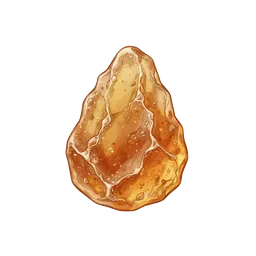
Frankincense is the dried oleo-gum-resin that bleeds from incisions scored into the bark of Boswellia trees. Small, drought-resistant species clinging to limestone escarpments across southern Arabia, the Horn of Africa, and the Ethiopian highlands. The milky sap hardens into pale amber or greenish tears, graded by colour, translucency, and origin. The finest grade, Royal Hojari from Oman's Dhofar region, is near-translucent green-silver. Boswellia carterii from Somalia accounts for over 60% of global supply and provides the workhorse resin of the industry. The essential oil. Pale yellow, mobile, obtained by steam distillation at 5. 10% yield. Is dominated by monoterpenes: alpha-pinene (CAS 80-56-8, C10H16, reported at 2. 65% depending on species and lot), limonene, alpha-thujene, and sabinene. This terpene-heavy headspace gives the oil its unexpected freshness. It does not smell like smoke. It smells like biting into an unripe green apple in a cold stone church. The resinous, incense-like character most people associate with the word emerges in the drydown. Heavier sesquiterpenes and oxygenated diterpenes that linger after the volatile monoterpenes have evaporated. The absolute, obtained by solvent extraction, captures a different quality: heavier, more balsamic, with dry-papery sweetness and fruity-green undertones. CO2 supercritical extraction preserves the non-volatile fraction, including incensole acetate (CAS 34701-53-6, C22H36O3, MW 348.5), a diterpene that does not survive steam distillation. Moussaieff et al. Demonstrated in 2008 that incensole acetate activates TRPV3 ion channels. Receptors associated with warmth perception and anxiolysis. Offering a neurochemical basis for the calming effect of burning frankincense in religious ritual.
How it's used in perfumery
Frankincense operates as a heart-to-base bridge. Its terpene-rich top gives it unexpected lift for a resinous material. It can open a composition with freshness before settling into a warm, incense-like base. This contrast is structurally rare: few natural materials span the scent pyramid so comfortably. It is foundational to incense, sacred, and meditative accords. Combined with sandalwood and vetiver, it produces a complete Amber base. With cinnamon bark, it yields powdery warmth. With citrus oils, it extends the fresh opening far beyond what bergamot alone can sustain. In chypre and fougère structures, it is a resinous modifier that softens oakmoss without adding sweetness. Three Boswellia species supply the market, and their scent profiles differ materially: B. Sacra (Oman) is the most luminous and citrus-forward; B. Carterii (Somalia) is darker, more resinous; B. Papyrifera (Ethiopia) is softer, with fruity qualities; B. Frereana (Somalia) is piney, non-bitter, and the rarest. The perfumer's choice of species and extraction method. Essential oil, absolute, resinoid, or CO2 extract. Determines whether frankincense reads as a bright modifier or a solemn base.
Fun fact
Incensole acetate (C22H36O3, CAS 34701-53-6), a diterpene exclusive to the non-volatile fraction of frankincense resin, activates TRPV3 ion channels in the brain. The same receptors that register warmth against skin. Moussaieff et al. Demonstrated measurable anxiolytic effects in mice. The molecule does not survive steam distillation: most commercial frankincense essential oils contain none of it. Only CO2 extracts and absolutes preserve it.
Perfumes with Frankincense(80 of 95)
Indian
(4)Middle East
(22)
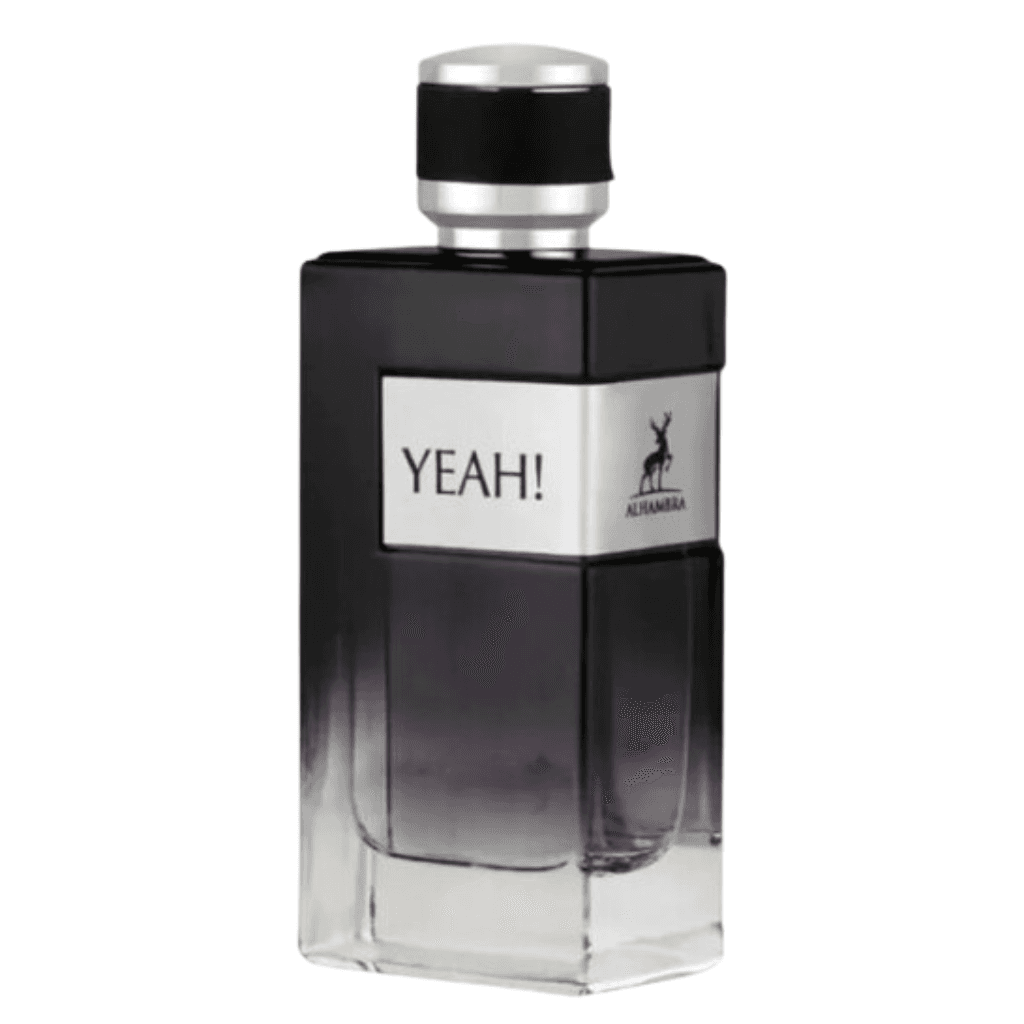
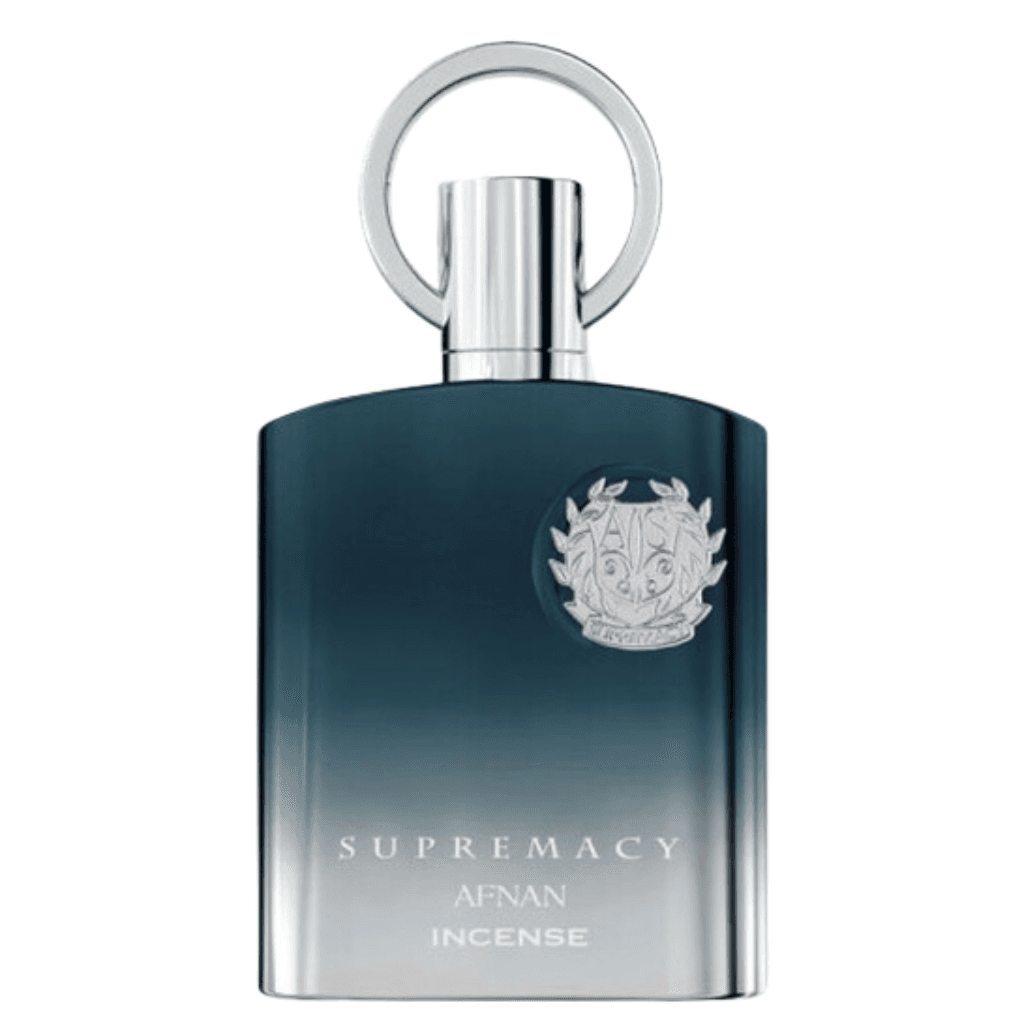
Designer
(4)Niche
(50)