Fragrance Note
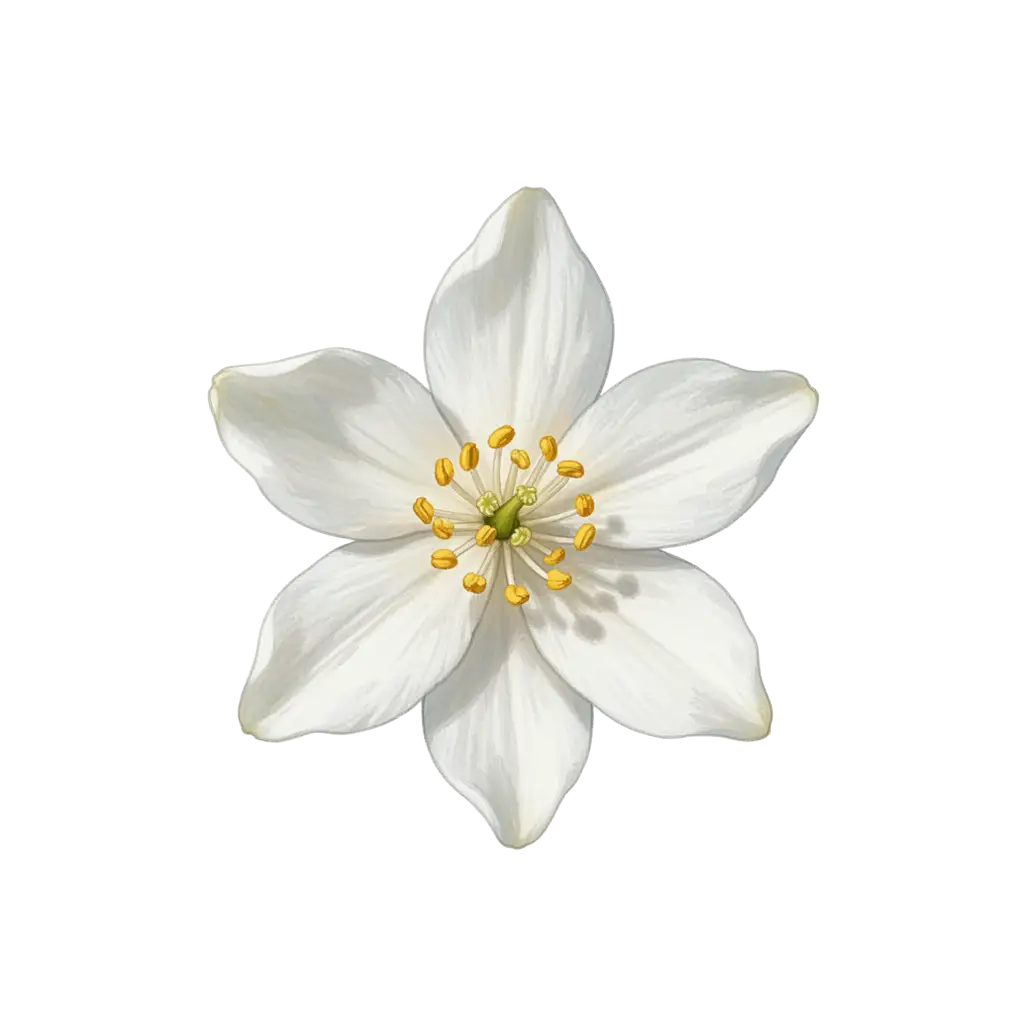
Jasmine
Used in 2879+ fragrances on FragranVerse
What it smells like
Jasmine is the most chemically complex flower in perfumery, with over 250 identified volatile compounds across the two principal commercial species: Jasminum grandiflorum and Jasminum sambac. The defining compounds include benzyl acetate for sweet-floral-fruity character, cis-jasmone for its fruity-celery edge, and indole at 1-6% supplying the animalic undertone. The two species differ in their indole/methyl anthranilate balance. Sambac is fruitier and less indolic, while grandiflorum is more animalic and tea-like. Flowers must be picked before dawn when aromatic emission peaks.
How it's used in perfumery
Jasmine functions simultaneously as a diffusion engine, an animalic modifier, and a blending agent. Its volatile esters project powerfully in the first hours, while its indolic quality supports otherwise flat florals. Its broad molecular spectrum bridges disparate materials into coherent compositions. It is structurally essential to floral hearts, chypres, and ambers. Hedione (methyl dihydrojasmonate) is the most common synthetic in contemporary use, providing jasmine's transparent radiance without the indolic weight of natural material.
Fun fact
The enzyme BEAT (benzyl alcohol acetyltransferase), which catalyzes benzyl acetate formation in jasmine petals, shows zero activity during daylight. Its expression peaks between 8 PM and 2 AM, explaining why jasmine flowers picked at noon are nearly scentless.
Perfumes with Jasmine(80 of 2879)
Indian
(10)
Middle East
(22)
Designer
(21)Niche
(27)