Fragrance Note
Opoponax
Used in 49+ fragrances on FragranVerse
What it smells like
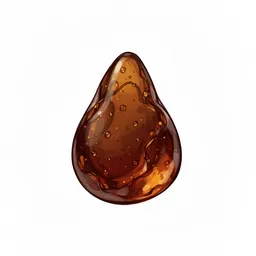
Opoponax. Also called sweet myrrh, bisabol, or scented myrrh. Is an oleo-gum-resin from Commiphora erythraea var. Glabrescens. It bleeds from bark incisions on small, thorny trees native to the arid lowlands of Somalia, Ethiopia, Kenya, and Eritrea. The crude resin hardens into dark, tear-shaped lumps containing 50. 80% water-soluble gum, 15. 40% alcohol-soluble resin, and 5. 9% volatile oil. GC-MS analysis shows the essential oil is dominated by sesquiterpenes, with bisabolene being the single largest component, followed by curzerene and α-santalene. The furanosesquiterpene fraction is responsible for the warm, slightly animalic depth; simpler sesquiterpenes contribute woody-balsamic qualities.
How it's used in perfumery
Opoponax functions as a base modifier in amber, incense, and balsamic compositions. Its primary role is providing sweet resinous warmth without the bitterness of myrrh or the heaviness of benzoin. In classical amber accords, it sits alongside labdanum and benzoin as a third resinous voice. The one that adds honeyed depth and rounds the sharp edges of other balsams. The resinoid form is preferred in fine fragrance for its richer, more complex profile, while the essential oil serves as a top-of-base modifier in lighter ambers. It blends well with frankincense, styrax, and vanillic bases.
Fun fact
The word 'opoponax' derives from Greek opos (juice) + panax (all-healing), but the ancient Greeks used it for a completely different plant than the modern perfumery material, perpetuating a taxonomic mix-up at least five centuries old.
Perfumes with Opoponax(49)
Middle East
(4)
Designer
(19)
Niche
(24)