Fragrance Note
Agarwood (Oud)
Used in 922+ fragrances on FragranVerse
What it smells like
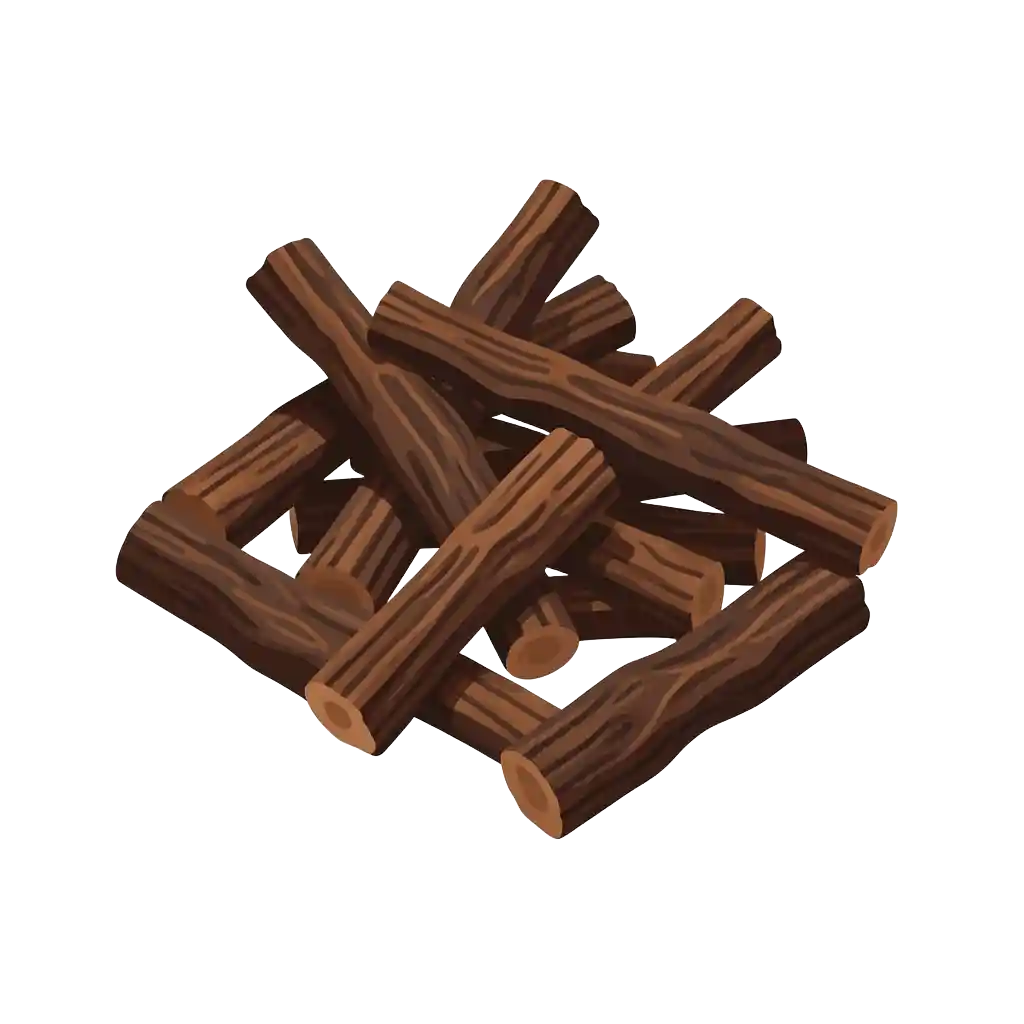
Oud does not exist until something goes wrong. The Aquilaria tree. A fast-growing tropical hardwood native to Southeast Asia. Produces no fragrance on its own. When the heartwood is colonized by fungi, the tree mounts a defense: a dark, aromatic resin saturated with sesquiterpenes and 2-(2-phenylethyl)chromones. Over 150 chemical compounds have been identified in agarwood oil. The complexity is entirely sesquiterpene-driven. Agarofurans, eudesmanes, guaianes, prezizanes, vetispiranes. Layered over the chromone backbone that defines oud's unique identity.
How it's used in perfumery
Oud operates as an anchor and a statement. In amber and woody-amber compositions, it supplies the dark, animalic backbone that simpler woods cannot deliver. It is not a blender. It dominates. Compositions built around oud typically require counterweights: rose to soften it, saffron to bridge its warmth to a spicy register, or clean musks to domesticate its feral edge. Most contemporary Western 'oud' fragrances use synthetic accords rather than natural oil.
Fun fact
Healthy Aquilaria trees produce no fragrance at all. The entire value of agarwood depends on a pathological process: fungal infection triggering a defensive resin response.