Fragrance Note
Cedarwood
Used in 737+ fragrances on FragranVerse
What it smells like
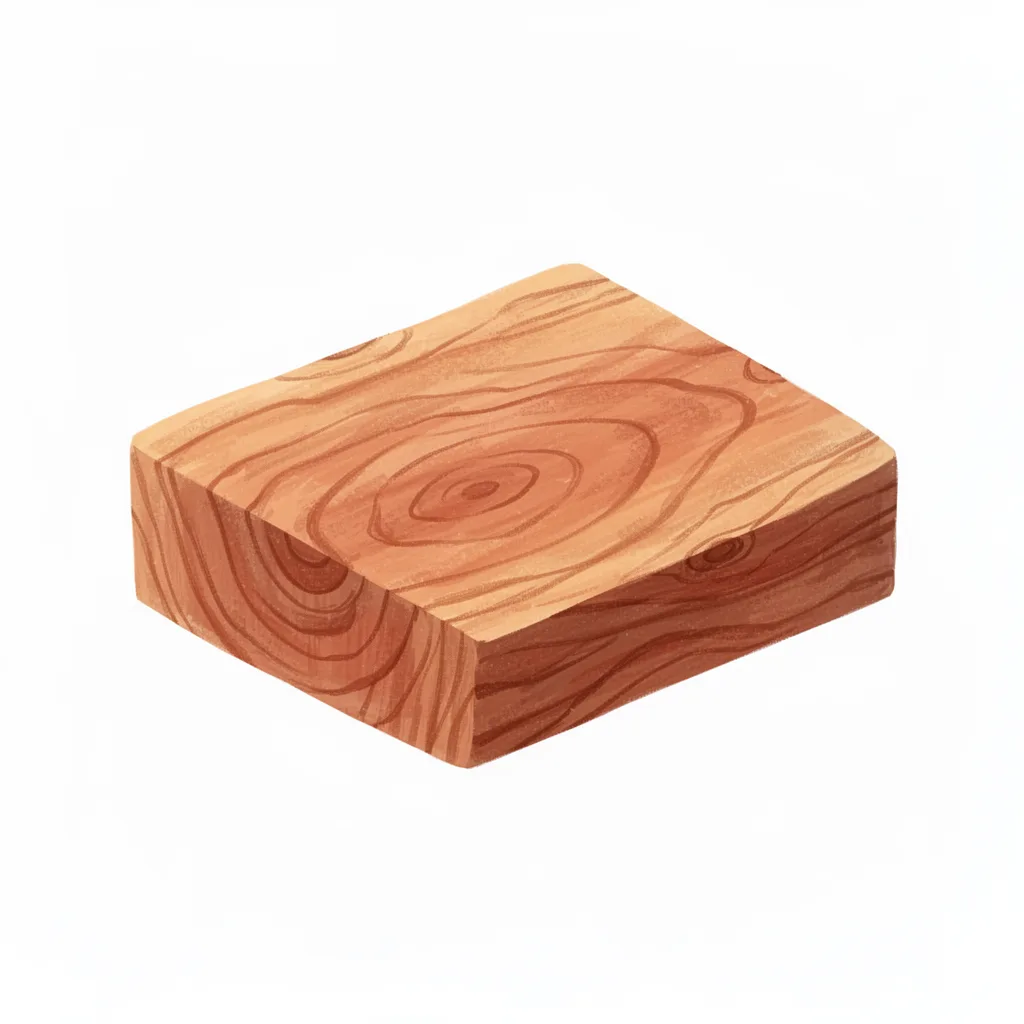
Cedarwood is one of perfumery's foundational woody materials, but the name covers several botanically unrelated trees that yield oils of significantly different character. Understanding the distinction is essential to using cedarwood properly. Virginia cedarwood (Juniperus virginiana) is not a true cedar. It is a juniper, in the cypress family (Cupressaceae). Its oil, dominated by cedrol (CAS 77-53-2) and α/β-cedrene (CAS 469-61-4 / 546-28-1), smells dry, pencil-sharp, slightly resinous. The classic 'pencil shaving' note of older perfumery. Steam-distilled from sawmill waste, principally in Tennessee and the Appalachian uplands. Atlas cedarwood (Cedrus atlantica) is a true cedar. A Pinaceae, native to the Atlas Mountains of Morocco. The oil's defining constituent is α-atlantone, a sesquiterpene ketone that gives it a creamier, warmer, faintly leathery profile, with a himachalene backbone supplying woody body.
How it's used in perfumery
Foundation base note. Virginia cedarwood (Juniperus virginiana) contains ~35% cedrol as its primary odorant, giving a dry, pencil-sharp character. Atlas cedarwood (Cedrus atlantica) is richer in alpha- and beta-atlantones, with a creamier, warmer profile. Texas cedarwood (Juniperus ashei) falls between the two. Provides woody structure, extends longevity, and is a universal blender. The most frequently used wood in perfumery by volume.
Fun fact
Virginia cedarwood oil is a byproduct of pencil manufacturing, the same factory that makes your pencils produces the essential oil. The U.S. Pencil industry processes about 300,000 tons of cedarwood annually.
Perfumes with Cedarwood(80 of 737)
Indian
(6)Middle East
(44)
Designer
(4)Niche
(26)