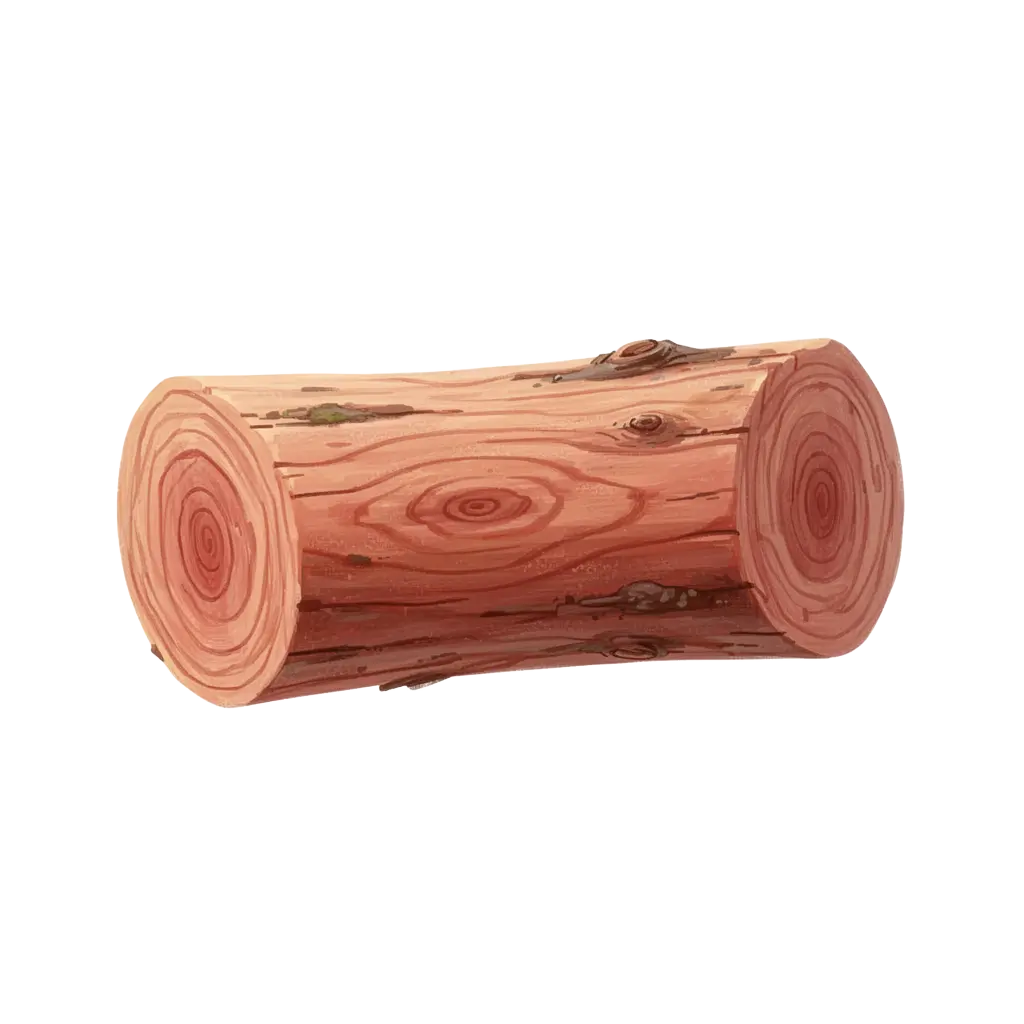
Fragrance Note
Cedar
Used in 2622+ fragrances on FragranVerse
What it smells like
The word cedar covers three botanically unrelated materials. Virginia cedarwood (Juniperus virginiana, CAS 8000-27-9) is a juniper, not a true cedar at all. Its oil is a byproduct of pencil manufacturing. Dry, sharp, almost astringent. Gas chromatography of the oil typically shows alpha-cedrene at 20. 35%, thujopsene at 10. 25%, and cedrol at 16. 25%. The pencil-shaving bite comes from cedrene oxidation products. Atlas cedarwood (Cedrus atlantica, CAS 8023-85-6) is a true Cedrus, native to the mountains of Morocco and Algeria. It smells rounder, creamier, with a faint camphoraceous lift. Higher in cedrol, lower in thujopsene. Himalayan cedarwood (Cedrus deodara) sits between the two: woody-sweet, less sharp than Virginia, less milky than Atlas.
How it's used in perfumery
Cedar functions as a structural base note. A used woody materials in perfumery. It anchors compositions without imposing flavor. Its dryness complements citrus top notes without competing; its persistence supports volatile florals; its clean character avoids the heaviness of oud or the sweetness of sandalwood. In masculine and unisex compositions it is nearly ubiquitous. Key synthetic derivatives: Cedramber (cedryl methyl ether, CAS 19870-74-7) provides a dry amber-cedar diffusion. Vertofix (methyl cedryl ketone, CAS 32388-55-9) adds a crystalline, mineral woody quality with notable tenacity.
Fun fact
Virginia cedarwood oil is largely a byproduct of pencil manufacturing. The connection is not metaphorical. The sharp, dry smell people associate with cedarwood in perfumery is literally the smell of freshly sharpened pencils.
Perfumes with Cedar(80 of 2622)
Indian
(5)Middle East
(47)
Designer
(23)